
Theater and Creativity
Theater gives us a space of absolute presence. It is transformative and mobilizing, both for the actor and the spectator.
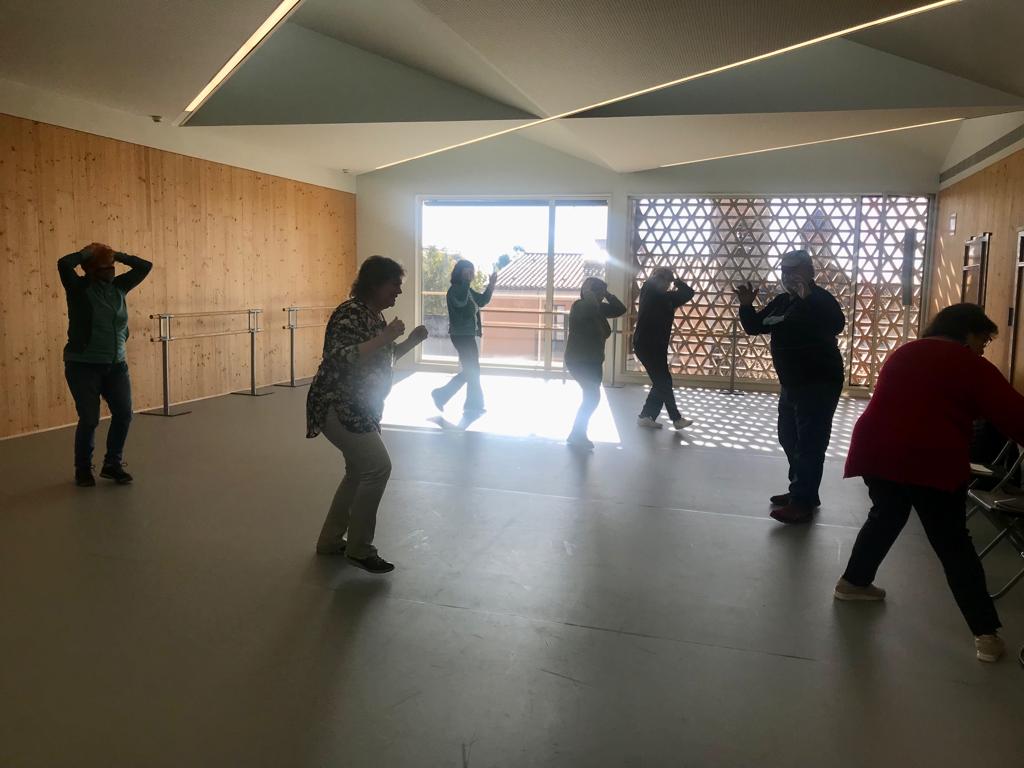
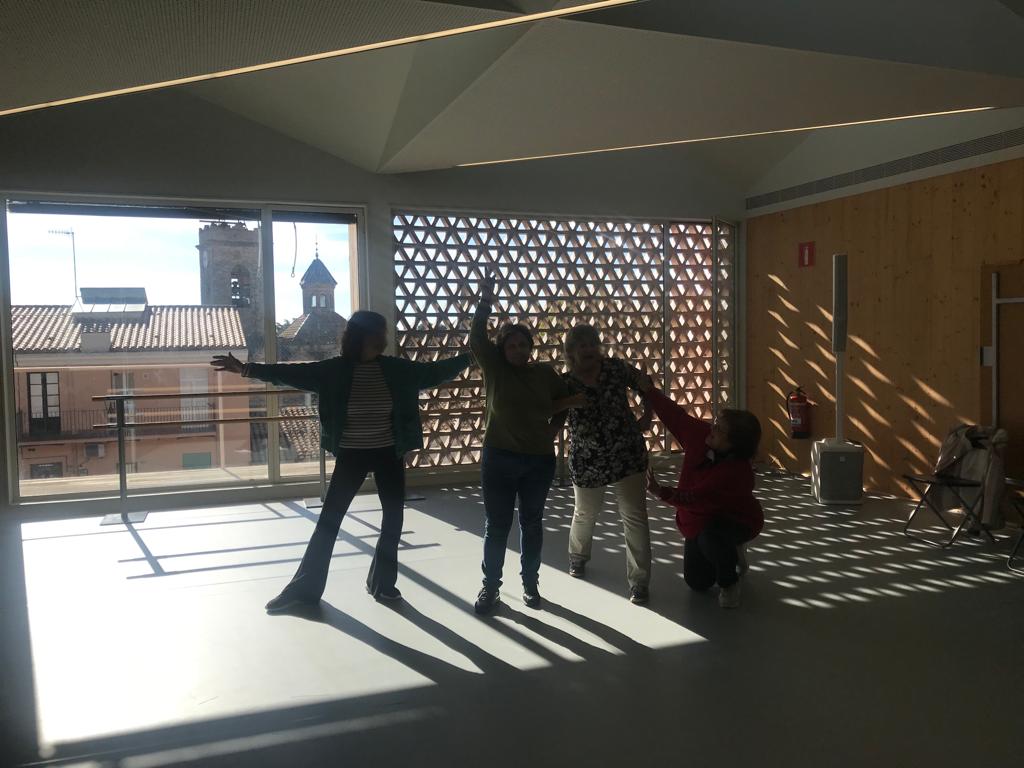
In this course, we will have the privilege of being in both places at once, actors and spectators at the same time, protagonists and observers, in a continuous give-and-take. We will be able to rehearse and play without judgment, just as we did as children. We will try new ways of relating to others, experiment with new ways of behaving, embody different characters, act out different scripts, and look from another perspective, free from fear or prejudice. We will break inertia and patterns. In short, theater offers us the opportunity to discover untapped creative potential that we can incorporate into our lives.
OBJECTIVES
Experience the theatrical creative process.
CONTENT
Dynamic exercises and activities will be carried out to work on aspects such as:
- Voice, body, and movement as tools for the actor and actress.
- Collective play as the foundation of group creativity.
- Improvisation and its value as the core of dramatic play.
- Basic acting concepts: relationships, motivation, conflict, character, situation.
- The theatrical language.
- The structure and components of a theatrical scene.
- Scene creation.
BENEFITS
Theater for older adults offers multiple benefits, including:
- Development of creative potential.
- Identification in scenes with situations and problems that occur in daily life, which can be addressed more creatively.
- Increased body awareness.
- Development of emotional expression.
- Use of gestural and non-verbal communication.
- Management of anxiety and fears.
- Improvement in emotional, cognitive, and physical-motor behaviors and functions.
- Development of short- and long-term attention and memory.
- Reduction in the sense of loneliness.
- Strengthening social bonds.